Canyon Lake is one of the more unusual communities in Riverside County. It’s a gated, master-planned city built around a 383-acre reservoir, and nearly every home here sits within a short walk of the water. That lakeside setting is a big part of the appeal, but it also creates a specific set of challenges for HVAC equipment that homeowners don’t always think about until something breaks.
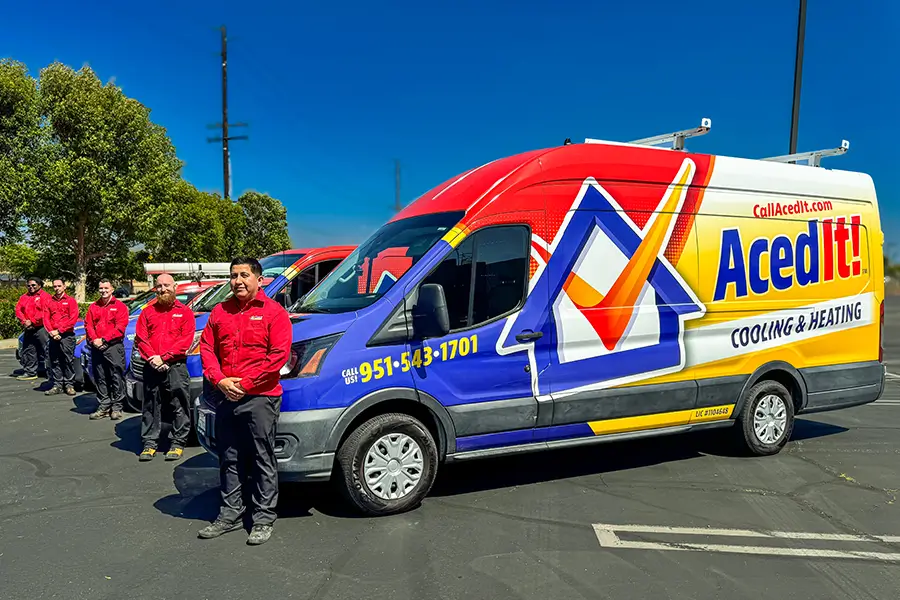
The combination of high summer temperatures, moderate humidity from the lake, and the age of the housing stock, most of which was built in the 1970s through 1990s, puts consistent pressure on air conditioning systems. Aced It! Heating & Cooling serves Canyon Lake with straightforward AC repair, honest diagnostics, and flat-rate pricing. No surprises.
working with caleb and his team was great we really appreciate the attention to detail and competitive pricing and super local so was speedy!
Kyle D.
★★★★★
I want to start by saying great experience and Julian was excellent. Our AC unit went out, it’s summer, we were nervous, first time homeowners not sure what to expect. We had a different company in the area come out yesterday.
Phyllis C.
★★★★★
They truly go the extra mile and were a pleasure to work with. Very professional, very efficient. They have the best technicians and we have had the good fortune to have used their expertise for over 3 years.
Robert W.
★★★★★
My experience was satisfying and informative. I appreciate the time the "Aced It" associates spent explaining my system and how it functions, it made it easier to make decisions that are beneficial to me financially and lifestyle as well.
Aurora
★★★★★
Sunday evening I find my air conditioner has a drip. I know that if I text my trusted air conditioning company I WILL get a response. Just like that I was able to make an appointment for NEXT DAY.
Blake S.
★★★★★
I ran a very thorough sales process to assess the right vendor to bring AC to my home. From their first visit, the AcedIt! guys stood out.
Latoya M.
★★★★★
His professionalism and knowledge about his job. He was super down to earth and took the tilt to exodus things to us that other technicians have not done!
Robert P.
★★★★★
In today's business market it's refreshing to find a business like Aced it! My technician was Marcus he was on time diagnosed my problem corrected it I asked for and got information on a new furnace and AC.
The homes in Canyon Lake vary from original single-story builds near the shoreline to larger updated properties on the hillside streets. Our repair services are suited for all of it. We diagnose and fix central air conditioning systems regardless of make or model, and we approach every call as a system problem rather than a parts swap.
Common repairs we handle in Canyon Lake include:
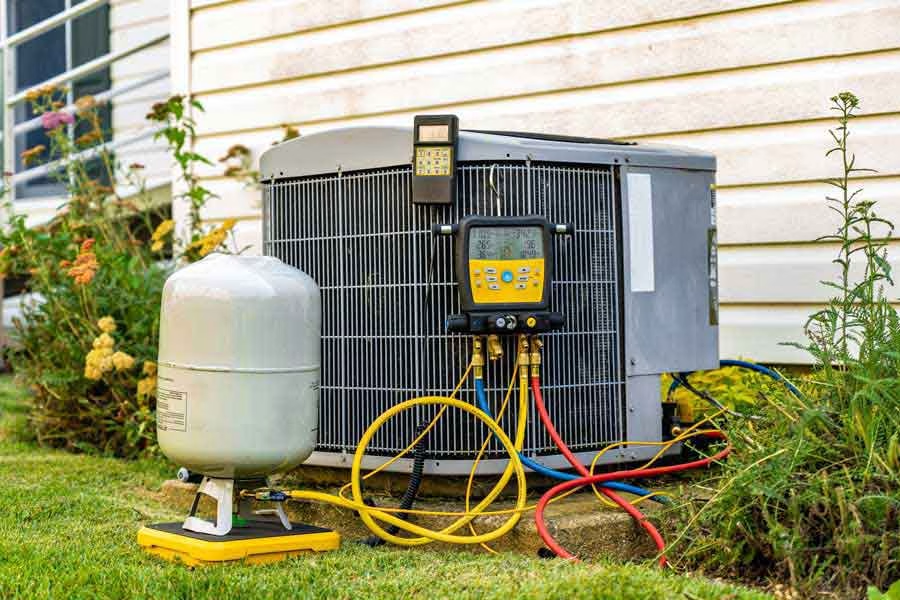
Refrigerant leak diagnosis and recharge, which is especially relevant in older systems that have been running without proper maintenance for years.
Capacitor and contactor replacement, two of the components most vulnerable to heat stress during peak summer months.
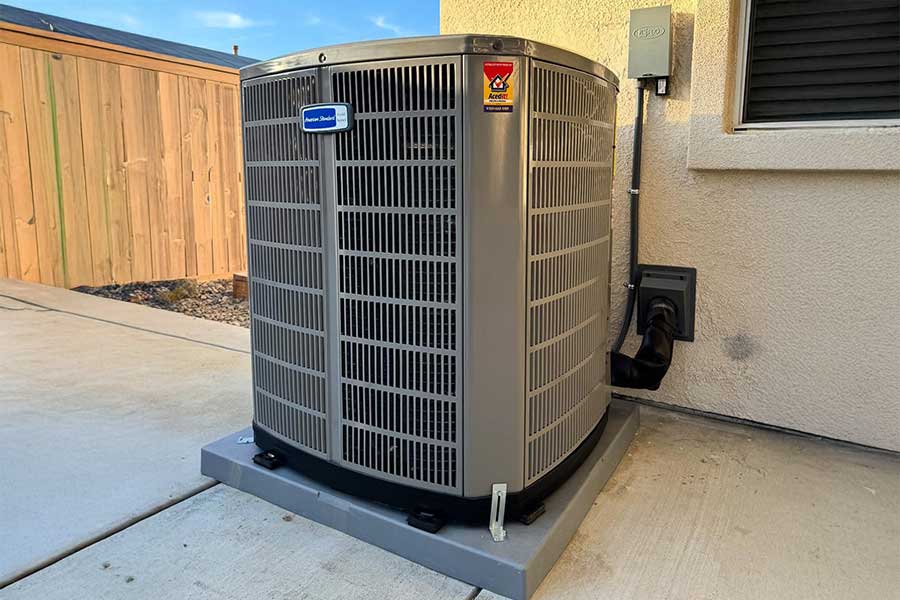
Evaporator and condenser coil service, which matters more than usual here because moisture from the lake can accelerate corrosion on outdoor units over time.
Blower motor and fan repair to restore proper airflow through the home’s duct system.
Condensate drain clearing, a frequent need in lakeside homes where higher ambient humidity increases drainage volume.
Thermostat diagnostics and replacement, including smart thermostat options for better control and efficiency.
If a repair doesn’t make financial sense, we’ll give you a straight answer and walk through replacement options without any pressure.
Warning Signs Your AC Needs Attention
The cooling season in Canyon Lake runs long and the lake environment adds variables that aren’t present in drier inland communities. These are the signs that usually mean it’s time to call:
The system runs continuously but the home doesn’t cool down, which often points to refrigerant loss or a struggling compressor.
There’s visible corrosion or rust on the outdoor condenser unit, which is more common here than in drier areas due to moisture exposure near the water.
Airflow from the vents has dropped noticeably, indicating a blower issue or a ductwork problem.
The system is making unusual sounds including grinding, rattling, or high-pitched squealing from the air handler or condenser.
Water is pooling near the indoor unit, a sign the condensate drain is blocked or the evaporator coil has frozen over.
Your electricity bills have climbed without a clear change in usage habits, which usually means the system is working harder than it should.
Getting ahead of these problems saves money. A corroded coil caught early is a repair. Left alone long enough, it becomes a replacement.
Proximity to the lake is both a feature and a factor when it comes to HVAC longevity. The moisture that comes with lakeside living creates corrosion conditions on outdoor condensers that are more aggressive than what you’d find a few miles inland. Add in the area’s hot summer temperatures and the age of most homes here, and you get a specific failure pattern that repeats itself each season.
The most common causes we find behind AC problems in Canyon Lake include:
Corroded condenser coil fins from years of exposure to humid air off the lake, which restricts heat transfer and forces the compressor to overwork.
Clogged condensate drains that back up faster than in drier climates because the system is pulling more moisture out of the air.
Worn electrical components including capacitors and contactors that have been stressed by repeated high-temperature startups over many seasons.
Aging ductwork in older homes that has developed leaks or separated at joints, bleeding conditioned air before it reaches the living space.
Dirty evaporator coils in systems that haven’t been serviced in several years, which chokes airflow and can cause the coil to freeze.
We look at the whole system during every service visit, not just the obvious failure point.
A Day on the Job in Canyon Lake
Earlier this summer one of our technicians got a call from a homeowner named Patrice on Vacation Drive, just a few blocks from the water. Her system had been running all day but the house hadn’t dropped below 82 degrees. She’d already changed the filter and was convinced the unit needed to be replaced.
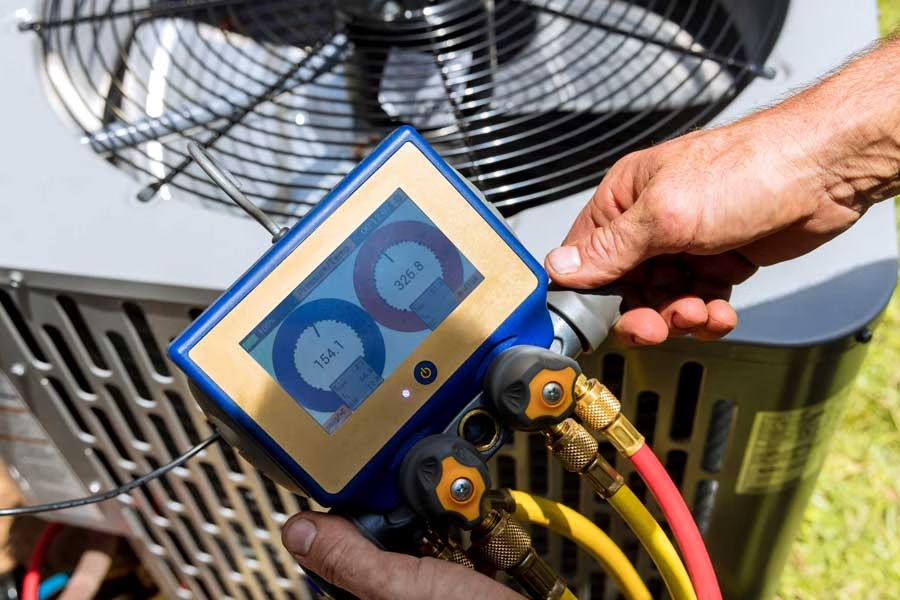
When the tech ran diagnostics, the system turned out to be low on refrigerant but that wasn’t the main problem. The outdoor condenser coil had significant corrosion along the lower fins, the kind of gradual buildup that happens over years of lake-adjacent exposure, and it was blocking enough airflow that the compressor was cycling into high pressure lockout on hot afternoons.
The coil was cleaned and treated, the refrigerant was brought back to spec, and the system ran through the rest of the day without issue. Patrice told us she’d been dreading a full replacement conversation. Instead she got an honest diagnosis and a same-day fix. That’s the kind of call we like to make.
Canyon Lake is a tight-knit community and word gets around fast when a service company doesn’t treat people right. We don’t take that lightly. Aced It! is a Veteran-owned business started by technicians who believe doing the job correctly the first time is the only way to operate.
What that looks like in practice:
Flat-rate pricing given upfront so there are no surprises when the invoice comes.
National Comfort Institute certification in system performance and duct design, which means we understand how your entire HVAC system works together, not just the part that failed.
Real warranties on parts and labor because we stand behind what we do.
Financing options available for larger repairs or replacements that come up unexpectedly.
If your AC isn’t handling what Canyon Lake summers throw at it, give us a call. We’ll figure out what’s actually wrong and fix it right.
Does living near Canyon Lake affect how often I should service my AC?
Yes, more than most homeowners realize. The moisture off the lake accelerates corrosion on outdoor condenser units and increases the drainage load on the system. Annual maintenance is the baseline recommendation, but homes right on the water may benefit from having the condenser inspected and cleaned more frequently.
Why is my AC running all day but the house still feels warm?
A system that runs constantly without cooling effectively is usually dealing with one of a few issues: low refrigerant, a dirty or corroded condenser coil limiting heat rejection, a failing compressor, or ductwork leaks losing conditioned air before it reaches the rooms. A diagnostic visit is the only reliable way to identify which one.
How long do AC systems typically last in Canyon Lake homes?
Most systems are rated for 15 to 20 years under normal conditions, but lakeside environments can shorten that if the equipment isn’t maintained. Corrosion on outdoor components is the biggest factor. Systems that get regular service tend to hold up significantly better than ones that run for years without attention.
What should I do if my AC stops working on a hot weekend?
Call us. We do our best to accommodate urgent service calls, especially during summer heat events. In the meantime, keep the home shaded as much as possible, close blinds on sun-facing windows, and avoid running appliances that generate a lot of heat until we can get the system back online.
Is it worth repairing an older AC system or should I replace it?
That depends on the repair cost relative to the system’s age and condition. We’ll walk you through both options honestly. A well-maintained older system in good overall shape is often worth repairing. One that has been neglected and is showing multiple issues may cost more to keep running than to replace. We never push replacement when a repair makes more sense.