
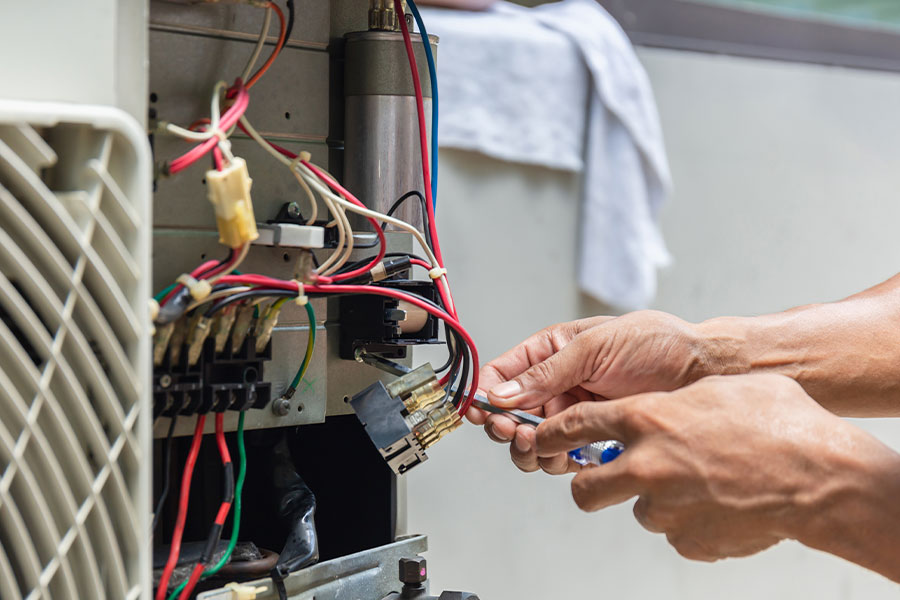
Your furnace might signal for help if you notice unusual noises, inconsistent heating, or rising energy bills. These issues can indicate underlying problems that require immediate attention. Identifying these signs early is essential to avoid costly repairs or safety hazards. Understanding what to look for can save you time and money, ensuring your home stays comfortable. Let’s explore the critical indicators that suggest it’s time for a professional evaluation.
Unusual Noises Coming From Your Furnace
Paying attention is essential when you hear unusual noises from your furnace, as these sounds often indicate underlying issues. Everyday noises include rattling, banging, and squeaking. Rattling could signal loose parts, while banging might suggest expanding metal or a severe mechanical failure. Squeaking often points to worn bearings in the blower motor. Addressing these sounds early can prevent costly repairs and guarantee your furnace operates efficiently. It’s best to shut off the system and consult a professional to diagnose the problem accurately. Ignoring these noises can lead to further complications, so prioritize your furnace’s health to maintain a safe and comfortable environment for you and those you serve.
Inconsistent Heating Throughout Your Home
Have you noticed that some rooms in your home are warmer than others? Inconsistent heating can signal underlying issues with your furnace. This problem may arise from clogged air filters, which restrict airflow, or malfunctioning thermostats that fail to regulate temperature correctly. Ductwork leaks can also cause heat to escape before reaching certain areas, leaving them cold and uncomfortable. Additionally, uneven insulation might prevent proper temperature distribution throughout your home. If you’re experiencing these discrepancies, addressing them promptly is essential. Ignoring inconsistent heating could lead to further complications, impacting your comfort and the furnace’s efficiency. Schedule a professional inspection to diagnose and remedy the situation, ensuring a consistently warm environment for everyone in your home.
Increased Energy Bills
If you’ve noticed a sudden spike in your energy bills, it might be time to investigate your furnace’s performance. An inefficient furnace can significantly increase energy costs, often due to poor maintenance, dirty filters, or malfunctioning components. When your system struggles to heat your home effectively, it consumes more energy, leading to higher bills. Regular maintenance, such as cleaning and inspections, can prevent these inefficiencies. If you’ve already performed upkeep but still see rising costs, consider having a professional evaluate your furnace. They can identify hidden problems, like duct leaks or failing parts, contributing to energy waste. Addressing these issues promptly not only helps your finances but also guarantees a comfortable environment for those you serve.
Frequent Cycling On and Off
As your furnace struggles to maintain the desired temperature, you may notice it frequently cycling intermittently. This behavior, known as short cycling, can stem from various issues, such as a faulty thermostat, clogged air filters, or an oversized heating system. When your furnace turns on and off too often, it not only disrupts your comfort but also increases energy consumption, leading to higher bills. Additionally, short cycling can cause wear and tear on components, shortening the lifespan of your unit. To address this issue, check your air filters for dirt buildup and verify your thermostat’s settings are accurate. If problems persist, consider contacting a qualified technician to effectively diagnose and repair the underlying cause.
Yellow or Flickering Pilot Light
A yellow or flickering pilot light is an essential indicator of potential issues with your furnace. Ideally, the pilot light should burn a steady blue flame, which signifies proper combustion and efficient operation. When you notice a yellow or flickering flame, it may suggest incomplete combustion, often caused by dirt buildup or a malfunctioning thermocouple. This condition reduces your furnace’s efficiency and can lead to safety hazards, including carbon monoxide production. If you observe these changes, you shouldn’t ignore them. It’s essential to consult a qualified technician who can diagnose and address the underlying problem. Taking prompt action guarantees your furnace operates safely and efficiently, ultimately enhancing your home’s comfort and safety.
Unpleasant Odors Emitting From the Unit
When you detect unpleasant odors from your furnace, taking immediate action is essential. Different smells can indicate various issues. A burning smell might suggest dust accumulation or overheated components, which can lead to a fire hazard. A gas odor, often sulfuric, could signal a gas leak—this is serious and requires immediate evacuation and professional intervention. If you notice a musty smell, it may indicate mold or moisture buildup, which can affect the unit’s efficiency and your health. Ignoring these odors can lead to further damage or unsafe conditions. Always prioritize safety; consult a qualified technician to diagnose and resolve the issue effectively if you’re unsure. Your attention to these signs can help protect your home and loved ones.
Poor Air Quality in Your Home
If your furnace isn’t functioning properly, it can significantly impact the air quality in your home. A malfunctioning furnace may fail to filter out dust, allergens, and other pollutants, leading to poor indoor air quality. You might notice increased respiratory issues, allergy flare-ups, or general discomfort among occupants. Additionally, a lack of proper ventilation can cause humidity levels to rise, fostering mold growth and exacerbating health concerns. Regular maintenance is essential; dirty filters and broken components can greatly diminish air quality. If you’re experiencing these issues, it’s necessary to consult a professional immediately. Ensuring your furnace operates efficiently not only enhances comfort but also promotes a healthier living environment for you and your family.
Visible Damage or Corrosion
Visible damage or corrosion on your furnace can signal serious underlying issues that need immediate attention. Rust spots, leaks, or flaking paint indicate a deterioration that could compromise the unit’s efficiency and safety. These signs often point to moisture intrusion or poor ventilation, which can lead to further damage if not addressed quickly. Additionally, corrosion can affect internal components, leading to costly repairs or complete system failure. If you notice any visible issues, it’s vital to contact a qualified technician for a thorough inspection. Ignoring these signs can result in reduced performance and potential hazards, not only to your heating system but also to your home’s safety. Your proactive approach can help guarantee a reliable heating environment.
Age of the Furnace
The age of your furnace plays a crucial role in its performance and reliability. Most furnaces last about 15 to 20 years, and their efficiency typically decreases as they age. If your unit is nearing the end of its lifespan, you may notice unusual noises, inconsistent heating, or increased energy bills. These signs indicate that repairs might not be enough to restore peak function. Regular maintenance can extend your furnace’s life but can’t overcome the natural wear and tear that comes with age. If your furnace is older, consider evaluating its condition thoroughly. Investing in a newer model may save you money and improve comfort, ensuring you can effectively serve your home and family’s heating needs.
Thermostat Issues
How do you know if your thermostat is malfunctioning? A faulty thermostat can lead to inconsistent heating and discomfort in your home.
- Inaccurate Temperature Readings: If the temperature displayed doesn’t match the room temperature, your thermostat may need attention.
- Unresponsive Controls: If you can’t change the settings or the thermostat doesn’t respond, it’s a clear sign of trouble.
- Frequent Cycling: If your furnace turns on and off rapidly, the thermostat might not read the temperature correctly.
- Unusual Noises: Clicking or buzzing sounds can indicate internal issues within the thermostat.
If you notice any of these signs, it’s time to evaluate a repair or replacement.
Conclusion
If you notice any of these signs, don’t ignore them. Unusual noises, inconsistent heating, rising energy bills, and pilot light issues can indicate serious problems with your furnace. Additionally, poor air quality and visible damage are red flags that require immediate attention. Furnaces over 15 years old may need replacing rather than continuous repairs. Always prioritize safety—if you suspect gas leaks or carbon monoxide, contact a professional immediately to guarantee your home remains safe and comfortable.
Frequently Asked Questions
How Often Should I Have My Furnace Serviced?
You should have your furnace serviced at least once a year, ideally before the heating season. Regular maintenance helps guarantee efficiency, prolongs lifespan, and prevents unexpected breakdowns, keeping your home comfortable and safe.
Can I Repair My Furnace Myself?
You can attempt minor repairs if you are knowledgeable, but most furnace issues require professional expertise. Prioritizing safety and efficiency is essential, so consider calling a technician for complex problems to guarantee proper functioning and service.
What Is the Average Lifespan of a Furnace?
The average lifespan of a furnace is typically 15 to 30 years, depending on maintenance, usage, and type. Regular servicing and timely repairs can extend its efficiency and longevity, ensuring reliable warmth for your home.
How Can I Improve My Furnace’s Efficiency?
To improve your furnace’s efficiency, regularly clean or replace filters, schedule annual maintenance, seal duct leaks, and guarantee proper insulation. These steps enhance performance, reduce energy consumption, and effectively extend your furnace’s lifespan.
What Are the Risks of Ignoring Furnace Issues?
Ignoring furnace issues can lead to safety hazards, increased energy costs, and potential breakdowns. You risk carbon monoxide leaks and decreased air quality, which can harm your health and comfort in your living space.