
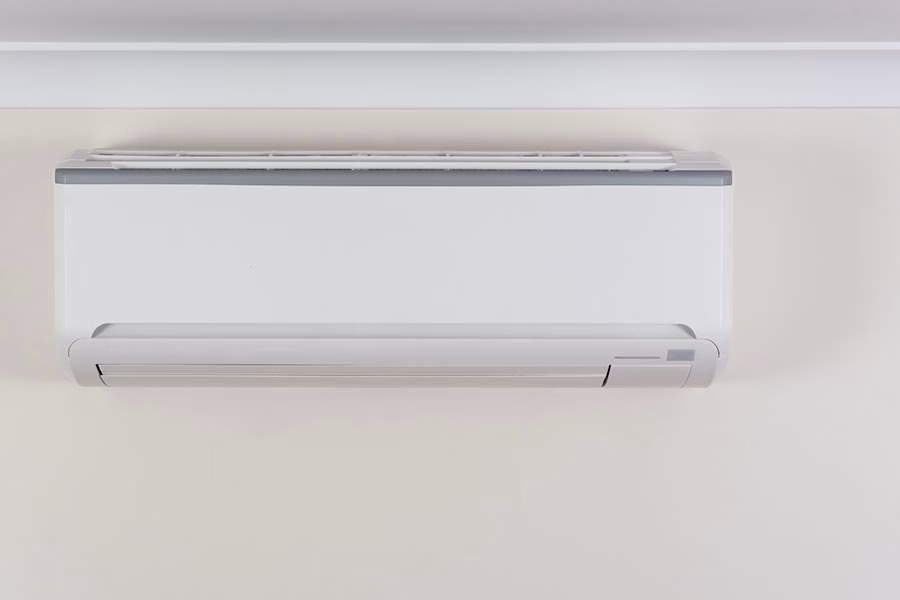
Key Points
- Inconsistent cooling is often caused by dirty filters, refrigerant issues, or improper installation
- Unusual noises, frozen coils, and poor airflow are early warning signs of a developing problem
- Electrical issues and refrigerant leaks should always be handled by a licensed technician
- Routine maintenance prevents most common mini split problems before they disrupt your comfort
- Corona’s intense summer heat accelerates wear on systems that aren’t regularly serviced
Why Mini Split Problems Are Common in the Inland Empire
Ductless mini split systems work hard in Corona. With summer temperatures regularly climbing past 100°F along the 91 and 15 freeway corridors, these systems run longer cycles and face more strain than in milder climates. When something goes wrong, it rarely fixes itself.
Based on what we see in Corona properties, most mini split problems fall into a handful of recurring categories. Understanding what causes them helps homeowners know when to call for service before a minor issue becomes a full system failure.
Why Your Mini Split Isn’t Reaching the Right Temperature
Inconsistent temperature control is one of the most common complaints we hear. In most cases, the cause comes down to three things: dirty filters restricting airflow, low refrigerant from a slow leak, or a thermostat that isn’t reading conditions accurately.
Improper installation is another factor that often goes undiagnosed. A system that was undersized or incorrectly positioned from the start will struggle to maintain comfort no matter how well it’s maintained. If temperature issues have been a problem since installation, a professional inspection of your ductless mini split system setup is a smart starting point.
What Those Strange Sounds From Your Mini Split Mean
A properly running mini split should be nearly silent. Rattling typically points to loose internal components or debris that has worked its way into the unit. A buzzing or humming sound often signals an electrical issue such as a failing capacitor or motor problem. A high-pitched squeal is one of the more serious sounds, usually indicating compressor stress.
These noises don’t resolve on their own. In our service calls throughout Corona, systems that ran with unusual sounds for weeks before the call almost always had more advanced wear than those flagged early. If your unit is making sounds it didn’t used to make, that’s a sign a technician should take a look.
Signs Your Mini Split May Have a Refrigerant Leak
A refrigerant leak doesn’t always announce itself obviously. Homeowners typically notice reduced cooling capacity, ice forming on the unit, or a hissing sound near the refrigerant lines. In some cases, the system runs continuously without ever reaching the set temperature.
Refrigerant handling is regulated under EPA Section 608 and requires a certified technician. This is not a repair that should be attempted without proper equipment and credentials. If you suspect a leak, the right move is to schedule a diagnostic visit so the source can be identified and repaired correctly.
Poor Airflow From Your Mini Split: Common Causes
Restricted airflow is one of the most preventable mini split problems. Clogged filters are the most frequent cause, but blocked vents, obstructions near the indoor unit, and incorrect system sizing also play a role. A unit that’s too small for the space it’s serving will always struggle, especially during peak summer heat.
Working in homes across the Norco Hills and Eagle Glen areas of Corona, we consistently find that airflow issues are the result of skipped maintenance rather than mechanical failure. Keeping filters clean and ensuring nothing is blocking the unit goes a long way, but when airflow problems persist after basic upkeep, a professional assessment is needed.
Why Mini Split Evaporator Coils Freeze and What It Means
Frozen coils are a symptom, not a standalone problem. The most common causes are low refrigerant levels, restricted airflow from dirty filters, and thermostat settings that push the system past its capacity. When coils freeze, the system loses its ability to transfer heat effectively, which means neither cooling nor heating works properly.
If you notice ice on your indoor unit, turning the system off and allowing it to defrost is a reasonable first step. However, the underlying cause needs to be diagnosed by a technician. Refreezing after defrost is a reliable sign that something mechanical needs attention.
Electrical Issues That Can Shut Down Your Mini Split
Electrical problems are among the more serious mini split issues because they carry safety risks beyond just system failure. Tripped breakers, blown fuses, and damaged wiring are the most common culprits. A breaker that trips once could be a fluke. One that trips repeatedly is a warning sign that something in the system is drawing too much current.
Damaged or frayed wiring should never be approached as a homeowner repair. These situations require a licensed technician with the proper tools and training. If your system is showing electrical symptoms, shutting it off and calling for service is the safest course of action. In some cases, issues extend to the air handler, which warrants a full system inspection.
How Dirty Filters Affect Mini Split Performance
Dirty filters are the single most common cause of reduced mini split performance, and they’re also the most preventable. When filters become clogged, the system has to work harder to pull air through, which increases energy consumption and puts strain on internal components.
Watch for these signs that your filters may need attention:
- Reduced airflow from the indoor unit
- The system running longer than usual to reach set temperature
- Increased dust accumulation near the vents
- Musty or stale odors when the system is running
According to ENERGY STAR, replacing or cleaning HVAC filters regularly is one of the most impactful steps homeowners can take to maintain system efficiency and lower energy bills.
Why Your Mini Split Keeps Turning On and Off
Short cycling, where the system turns on and off in rapid succession, is hard on the compressor and significantly reduces efficiency. It’s most often caused by incorrect system sizing, dirty filters, or low refrigerant. An oversized unit will cool the space too quickly and shut off before completing a full cycle, which sounds efficient but actually creates uneven temperatures and excess wear.
If short cycling is a recurring issue, a professional evaluation is the right next step. Continuing to run a system in that condition accelerates the damage and increases the likelihood of a compressor failure, which is one of the most expensive repairs a mini split can need. Scheduling an AC repair visit early prevents a manageable problem from becoming a major one.
Keeping Your Mini Split Running Right in Corona
Most mini split problems share a common thread: they’re easier and less expensive to address early. Corona’s climate demands a lot from these systems, and routine professional maintenance is what keeps them reliable through the heat season and beyond.
If your system is showing any of the signs covered here, don’t wait for a full breakdown. Schedule your mini split service today and get ahead of the problem before it costs more to fix.
Frequently Asked Questions
How often should a ductless mini split be serviced? Once a year is the minimum recommendation, but twice a year is ideal for homes in Corona given the heavy cooling demand through summer.
Can I clean my mini split filters myself? Yes, filter cleaning is a simple task homeowners can handle. Filters should be rinsed and dried every four to six weeks during heavy use periods.
What causes a mini split to stop cooling entirely? The most common causes are refrigerant loss, a tripped breaker, or a failed compressor. A technician can diagnose the exact issue quickly.
How long do ductless mini splits typically last? With proper maintenance, most systems last 15 to 20 years. Skipping routine service significantly shortens that lifespan.
Is short cycling something I can fix myself? Not reliably. Short cycling usually has a root cause that requires professional diagnosis, whether that’s system sizing, refrigerant levels, or a mechanical issue..