
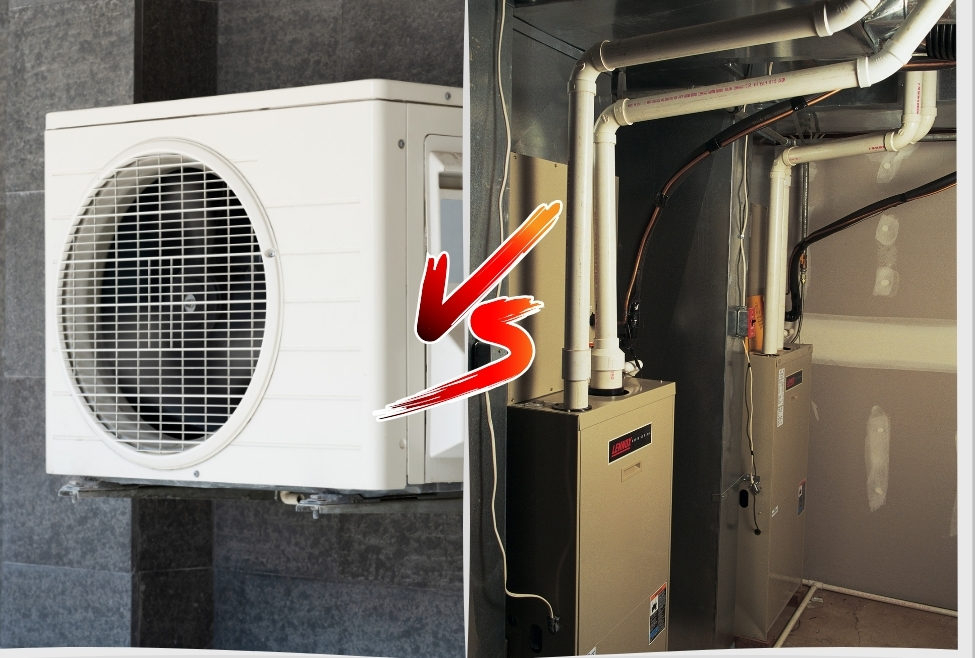
Are you torn between installing a heat pump or a traditional furnace to heat your home? It’s a decision many homeowners face. This post delves into the efficiency showdown between these two popular heating systems, comparing energy efficiency, cost effectiveness, and environmental impact to help you make the best choice. By understanding the unique features, strengths, and potential downsides of heat pumps and furnaces, you’ll gain insights that could help lower your energy bills and reduce your carbon footprint. Let’s explore which heating system may be the ideal fit for your home’s specific needs.
Key Takeaways
- Heat pumps can extract warmth from outdoor air—even in colder weather—making them a highly efficient heating solution.
- Furnaces are effective in even the coldest climates, though they may lead to higher operational costs due to fuel use.
- Efficiency ratings like SEER (for heat pumps) and AFUE (for furnaces) help indicate energy efficiency.
- Heat pumps paired with renewable energy sources offer significant environmental benefits.
- Climate and home insulation are key factors in deciding between a heat pump and a furnace.
How Heat Pumps Provide Efficient Home Heating
Heat pumps have become an increasingly popular heating solution due to their energy efficiency. Unlike traditional heating systems, which generate heat by burning fuel, heat pumps work by moving heat from one place to another. This innovative process not only saves energy but also enables heat pumps to double as cooling systems during warmer months. This dual-purpose capability, combined with their energy efficiency, makes heat pumps an appealing choice for many homes.
Components of a Heat Pump System
A heat pump system consists of several main parts: an outdoor unit with a compressor and condenser, an indoor unit with an evaporator, and a reversing valve. This reversing valve enables the heat pump to switch between heating and cooling modes by reversing the direction of the refrigerant. By extracting warmth from outdoor air, heat pumps can continue heating effectively even in relatively low temperatures, operating with less energy than a furnace and reducing utility costs.
The refrigerant circulates between the indoor and outdoor units in a continuous loop. When heating, the refrigerant absorbs heat from the outdoor air, which is then compressed to a higher temperature. This heated refrigerant circulates indoors, warming the air inside the home. During cooling, the cycle reverses, allowing the system to act as an air conditioner by removing indoor heat and expelling it outside.
The Heat Transfer Process
The heat pump’s efficiency stems from its ability to transfer heat rather than produce it directly. Unlike a furnace that relies on burning fuel, a heat pump’s mechanism allows it to harness natural energy from outdoor air. When the refrigerant absorbs heat from the environment, it undergoes compression to a higher temperature before transferring the warmth indoors. This process requires less energy than combustion-based heating, translating to lower monthly utility bills.
Another advantage of heat pumps is their versatility—they provide both heating and cooling functions in one system. By reversing the refrigerant’s flow, they can extract indoor heat and release it outdoors during summer. This flexibility makes heat pumps a year-round solution, saving the cost of installing separate heating and cooling systems.
How Furnaces Operate in Home Heating
In colder regions, furnaces have long been a trusted heating option. Unlike heat pumps, furnaces generate heat through combustion (or electric resistance in electric models), producing warmth directly. This characteristic makes them particularly effective for harsh winters, delivering reliable warmth regardless of how cold it gets outside.
Types of Furnace Systems
Furnaces come in three main types: gas, electric, and oil. Gas furnaces, which are widely used, operate by burning natural gas to heat air. This heated air is then distributed through the home via ductwork. Gas furnaces are often favored in areas with severe winters because of their heating power and relatively lower fuel cost compared to electricity.
Electric furnaces use electric resistance coils to produce heat, making them an option for homes where natural gas isn’t available. They tend to have a simpler design, resulting in lower initial costs, but can lead to higher operating expenses if electricity rates are high.
Oil furnaces, though less common in newer installations, burn fuel oil to generate heat. These systems can be a viable choice in regions where other fuel options are scarce or expensive. While oil furnaces are powerful, they generally require more maintenance and can be costlier to operate due to fluctuating oil prices.
Heat Generation and Distribution
Furnaces produce heat by igniting a fuel source, which generates heat in a controlled combustion chamber. This heat is then transferred to air passing through the furnace’s heat exchanger, and blowers circulate the heated air throughout the home’s duct system. This method delivers direct, powerful heating, which is especially useful in very cold environments where heat pumps might struggle.
The furnace’s performance depends heavily on its design and maintenance. For example, poorly maintained ductwork or clogged filters can reduce a furnace’s efficiency, while routine maintenance can help ensure consistent heating and minimize energy waste.
Comparing the Energy Efficiency of Heat Pumps and Furnaces
Understanding energy efficiency is key to determining long-term operating costs. Heat pumps and furnaces have distinct efficiency ratings, which provide insights into their operational economy.
SEER Ratings for Heat Pumps
The Seasonal Energy Efficiency Ratio (SEER) measures a heat pump’s cooling efficiency, while its Heating Seasonal Performance Factor (HSPF) gauges heating efficiency. Higher SEER and HSPF ratings mean the unit is more efficient, leading to reduced energy bills. Upgrading to a heat pump with a high SEER rating can significantly lower electricity bills, especially in mild climates where the pump won’t require additional heating.
AFUE Ratings for Furnaces
The Annual Fuel Utilization Efficiency (AFUE) rating is the standard for measuring furnace efficiency, indicating the percentage of fuel converted into usable heat. A furnace with a 90% AFUE rating, for instance, converts 90% of the fuel into heat, while the remaining 10% is lost as exhaust. Modern high-efficiency furnaces with AFUE ratings above 90% are designed to minimize energy loss, making them a smart investment for colder climates where furnaces operate frequently.
While both heat pumps and high-efficiency furnaces are designed to reduce energy use, their performance may vary based on your local climate. Heat pumps generally offer better efficiency in moderate climates, whereas high-AFUE furnaces are better suited to areas with prolonged cold weather.
Cost Effectiveness: Heat Pump vs. Furnace
In evaluating the cost effectiveness of heating systems, it’s essential to look at both the upfront investment and the long-term operating expenses.
Installation Costs
Installing a heat pump often involves a higher upfront cost, especially if your home needs ductwork adjustments. Heat pumps tend to be more expensive than furnaces in terms of initial installation. However, the energy savings they provide over time can help offset these initial costs, making them a worthwhile investment for homeowners planning to stay in their homes for years.
Furnaces, particularly gas models, typically have lower installation costs. However, if your home lacks a gas line or ductwork, these elements would add to the overall installation expense. Electric furnaces tend to have the simplest installations and are often more affordable upfront, but their operational costs may be higher if electricity rates are high.
Long-Term Operating Expenses
Operating expenses can make or break the cost-effectiveness of a heating system. Heat pumps generally lead to lower monthly utility bills due to their energy efficiency, especially in milder climates where they don’t require additional heating. Over time, these savings can balance out the higher installation costs.
Furnaces, on the other hand, may result in higher long-term expenses if they operate inefficiently or if fuel prices fluctuate. Gas furnaces are usually cheaper to run in areas with low gas prices, but oil and electric models may lead to higher bills. For homeowners focused on long-term savings, heat pumps offer a clear advantage, provided the climate is suitable.
Environmental Impact: Heat Pumps vs. Furnaces
Environmental impact is another crucial factor, especially for eco-conscious homeowners.
Emissions and Carbon Footprint
Heat pumps have a smaller carbon footprint because they transfer heat rather than generating it through combustion. This leads to fewer greenhouse gas emissions, especially if the electricity used is from renewable sources. In contrast, gas and oil furnaces produce carbon dioxide and other pollutants, even if they have high AFUE ratings. Consequently, heat pumps represent a more environmentally friendly choice, particularly in areas where electricity is derived from clean sources.
Renewable Energy Compatibility
Heat pumps can be easily paired with renewable energy sources, like solar panels, to create a highly sustainable heating system. When powered by renewable electricity, heat pumps can reach near-zero emissions, making them an ideal choice for reducing environmental impact. Furnaces, however, rely on fossil fuels and cannot achieve the same level of sustainability, even when using high-efficiency models.
Choosing the Right System for Your Home: Climate and Insulation
Selecting the best heating system depends heavily on local climate and your home’s insulation quality.
Climate Considerations
For homes in moderate climates, a heat pump can be an excellent year-round solution, as it provides both heating and cooling functions. However, in regions with severe winters, a heat pump may struggle to maintain warmth on its own, requiring supplementary heating.
Furnaces, which generate direct heat, are highly effective in colder climates, making them a reliable option for areas with long, harsh winters. If you live in a region with low temperatures, a high-AFUE furnace may be the best fit for your heating needs.
Home Insulation and Energy Requirements
Your home’s insulation also plays a major role in heating efficiency. Homes with good insulation require less energy to maintain a comfortable temperature, which enhances the performance of both heat pumps and furnaces. Conducting an energy audit can identify areas of heat loss, enabling you to make adjustments that will reduce overall energy demand. Factors such as square footage, ceiling height, and window quality can further impact which system will operate most effectively in your home.
Conclusion
Deciding between a heat pump and a furnace comes down to balancing climate, cost, and environmental considerations. Heat pumps offer an efficient, eco-friendly solution for milder climates, while furnaces provide reliable warmth for colder regions. By understanding each system’s features and potential savings, you can select the best option for your home, ensuring comfort, cost savings, and environmental alignment.
Ready to find the best heating solution for your Southern California home? Contact Aced It! Heating & Cooling today to schedule a consultation. Our experts will help you determine whether a heat pump or furnace is the ideal choice for your needs. Call now or book an appointment online!
Frequently Asked Questions
How do heat pumps differ from furnaces in heating efficiency?
Heat pumps typically deliver higher energy efficiency than furnaces by transferring heat rather than generating it, leading to significantly lower operating costs and less energy consumption.
What are the key operational differences between a heat pump and a furnace?
Heat pumps transfer heat from outside to inside a space, while furnaces generate warmth by burning fuel, resulting in different efficiency levels and suitability based on climate.
Which is more energy-efficient for home heating: heat pump or furnace?
Heat pumps are generally more energy-efficient than furnaces, especially in mild climates, due to their ability to transfer heat rather than generate it.
How do costs compare between heat pump and furnace installations?
Heat pump installations typically cost more initially than furnaces but can offer long-term energy savings and efficiency benefits.
What is the environmental impact of using a heat pump versus a furnace?
Heat pumps generally offer a greener alternative to furnaces, exhibiting lower carbon emissions and heightened energy efficiency throughout their operation.