
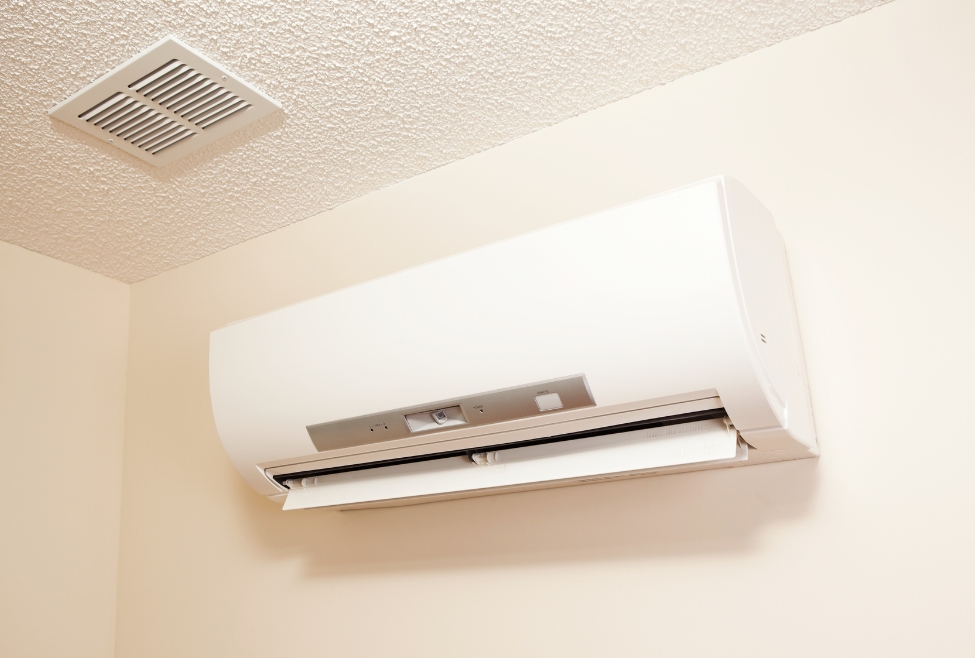
Rising energy bills and unpredictable weather in the Inland Empire are prompting a growing number of homeowners across Southern California to seek a smarter alternative to traditional HVAC systems. A ductless mini-split system offers precisely that, delivering energy-efficient, flexible climate control without the limitations of ductwork. Whether the goal is staying cool during the scorching summers that settle over the region or managing warmth during the milder winter months, mini-split systems have become a go-to solution for year-round comfort in homes throughout the area.
What Is a Ductless Mini-Split System?
A ductless mini-split system consists of an outdoor compressor unit paired with one or more indoor air handlers, providing individualized climate control for different rooms or zones. Unlike traditional HVAC systems, mini-splits operate entirely without ductwork, making them significantly more energy-efficient and well-suited for homes that were never built with ducts in the first place. This configuration also gives homeowners precise control over the temperature in specific areas, reducing energy waste and improving overall comfort.
For homeowners in Corona and the surrounding communities considering an upgrade, ductless mini-split installation in Corona, CA is one of the most impactful improvements available for both comfort and long-term efficiency.
How Mini-Splits Work in Southern California Homes
Southern California’s microclimates present a unique challenge for traditional HVAC systems. From the coastal breezes that move inland through passes like the Cajon and San Gorgonio to the intense heat that builds in communities like Corona and Norco during summer, a single thermostat controlling an entire home rarely produces satisfying results.
Mini-splits address this directly by allowing individual zones to be controlled independently. A west-facing bedroom that absorbs afternoon sun can be cooled to a different setting than a shaded north-facing office, without wasting energy on the entire house. By eliminating energy loss through ductwork, mini-split systems operate efficiently across the region’s varied conditions and deliver consistent comfort year-round.
Key Benefits of Ductless Mini-Split Systems
Energy Efficiency
Energy efficiency is one of the primary reasons homeowners in Southern California choose mini-split systems over traditional equipment. Conventional HVAC systems can lose a significant portion of their conditioned air through leaky or poorly insulated ductwork, a particularly relevant issue in older homes throughout the region. Since mini-split systems bypass ductwork entirely, that energy loss is eliminated.
Zoned temperature control adds another layer of efficiency. Rather than conditioning the entire home at once, mini-splits allow specific rooms or areas to be adjusted based on actual occupancy and need, reducing unnecessary energy consumption and lowering monthly utility costs.
Enhanced Indoor Air Quality
Indoor air quality is a genuine concern across Southern California, particularly during wildfire season when particulate levels can spike across the region. In our service calls throughout Corona and neighboring communities, we regularly see homes where aging ductwork is contributing to the very air quality problems homeowners are trying to solve, circulating accumulated dust, pollen, and debris with every cycle.
Mini-split systems filter air directly within each zone rather than pulling it through a network of ducts. This localized filtration approach is especially valuable in communities that experience frequent smoke events or high seasonal pollen levels, where maintaining clean indoor air directly affects household health and comfort.
Flexible and Easy Installation
One of the most practical advantages of a mini-split system is its flexibility in installation. Traditional ducted systems require significant structural work to retrofit into a home that was not originally built with HVAC infrastructure, and extending existing ductwork to cover additions or converted spaces can be costly and disruptive.
Mini-splits require only a small hole through an exterior wall to connect the indoor and outdoor units, so installations can typically be completed with minimal disruption to the home. This makes them an ideal solution for:
- Older homes without existing ductwork
- Room additions, guest suites, or converted garages
- Home offices or spaces that need independent climate control
- Multi-family units or properties with varying comfort needs by zone
Working in homes across the Inland Empire, we have seen mini-splits installed in situations where a traditional system would have required weeks of construction work and considerably more expense.
Year-Round Comfort
Southern California temperatures vary more than many people outside the region expect. Inland communities like Corona regularly see summer highs well above 100 degrees, while winter mornings along the foothills can drop into the low 30s. A ductless mini-split system provides both heating and cooling from a single installation, handling the full range of seasonal demands without requiring separate systems.
This year-round versatility is particularly valuable for homeowners who want a single, efficient solution rather than managing separate heating and cooling equipment with different maintenance schedules and service histories.
Long-Term Cost Savings
The upfront investment in a ductless mini-split system is often higher than a basic traditional HVAC replacement, but the long-term financial picture typically favors mini-splits considerably. Energy savings from eliminating duct losses, combined with the efficiency gains from zoned control, can reduce monthly utility costs in a meaningful and ongoing way.
Maintenance costs also tend to be lower over the life of the system. With no ductwork to inspect, seal, or clean, and fewer mechanical components than a traditional system, mini-splits generally require less frequent, less expensive upkeep throughout their operational lifespan.
Low Maintenance Requirements
Ductless mini-split systems are among the lower-maintenance HVAC options available to homeowners. The most important ongoing task is keeping the filters in the indoor air handlers clean, which a qualified technician handles during a routine service visit. Regular professional maintenance also ensures the system continues operating at its rated efficiency and allows a technician to catch minor issues before they develop into more significant problems.
Homeowners in higher-energy-cost areas of the region will find that a well-maintained mini-split system consistently delivers on its efficiency promises, while a neglected system gradually loses the performance advantages that made it worth the investment in the first place.
Installation and System Sizing for Maximum Efficiency
Proper installation and correct system sizing are essential to getting the full benefit from a ductless mini-split. An oversized unit will short-cycle, turning on and off too frequently without completing a full conditioning cycle, wasting energy and causing uneven comfort. An undersized unit will run constantly without adequately meeting the home’s demands.
A licensed HVAC technician determines the appropriate system size by evaluating the specific characteristics of the home, including square footage, ceiling height, insulation quality, window orientation, and the local climate’s thermal load. Homes in hotter inland areas like the communities along the 91 corridor typically require more cooling capacity than properties closer to the coast, and accurate sizing accounts for those differences.
A certified technician will perform the calculations needed to match the system to the home rather than relying on rough estimates, which is the only way to ensure the installation delivers the efficiency and comfort it is designed to provide.
Mini-Split Systems vs. Traditional HVAC
When evaluating whether a mini-split system is the right fit, the comparison with traditional ducted equipment comes down to a few key factors.
Efficiency and Performance
Mini-splits offer superior energy efficiency in most residential applications, particularly in homes with multiple zones or rooms that have historically been difficult to condition. The ability to control temperature independently in each zone eliminates the energy waste inherent in conditioning unoccupied spaces, and the absence of ductwork removes one of the most common sources of system inefficiency altogether.
Homeowners who switch from traditional systems to mini-splits consistently report improved comfort and lower energy bills, particularly during the peak summer and winter months when the efficiency gap is most pronounced.
Installation and Maintenance Costs
Installing a mini-split system typically involves lower structural disruption than retrofitting a ducted system into a home that was not originally built for one. There is no ductwork to route through walls and ceilings, no registers to cut, and no air handler closet to build out. This simplicity translates to faster installations and lower labor costs in most cases.
On the maintenance side, the reduced number of components and the elimination of ductwork mean fewer things can go wrong and fewer service items to address during annual inspections. For homeowners looking to keep long-term HVAC costs predictable and manageable, that simplicity has real value.
For homeowners who want to pair their mini-split upgrade with improved whole-home air quality, whole house air purifier installation is a natural complement that works well alongside a mini-split system’s zone-by-zone filtration.
Aced It! Keeps Your Comfort on Point
If you are ready to explore whether a ductless mini-split system is the right fit for your home, Aced It! Heating & Cooling is the team to call. As a Veteran-owned HVAC company serving Corona and the surrounding Southern California communities, we bring certified expertise, flat-rate pricing, and a no-pressure approach to every consultation. We size systems correctly, install them with care, and back our work with real warranties. To get started, contact our team today and we will walk you through your options.
Frequently Asked Questions
How much does it cost to install a ductless mini-split system?
Installation costs vary based on the size of the home, the number of indoor units required, and the complexity of the installation. A qualified technician will assess the home and provide a clear, flat-rate estimate before any work begins.
Do ductless mini-split systems require frequent maintenance?
Mini-split systems require less maintenance than traditional HVAC equipment. An annual professional inspection keeps the system operating at peak efficiency and allows a technician to identify any developing issues early.
Can mini-splits heat and cool my entire home?
Yes. A properly sized and configured multi-zone mini-split system can provide comprehensive heating and cooling coverage throughout an entire home, with independent control in each zone.
How long does a mini-split system last?
With professional installation and regular maintenance, ductless mini-split systems commonly provide 15 to 20 years of reliable service.
Are ductless mini-splits quieter than traditional HVAC systems?
Yes. Mini-split systems are notably quieter than traditional forced-air equipment, which makes them particularly well-suited for bedrooms, home offices, and living spaces where noise is a consideration.